


Fortunica Casino
Intro: A Game‑Changing Shift
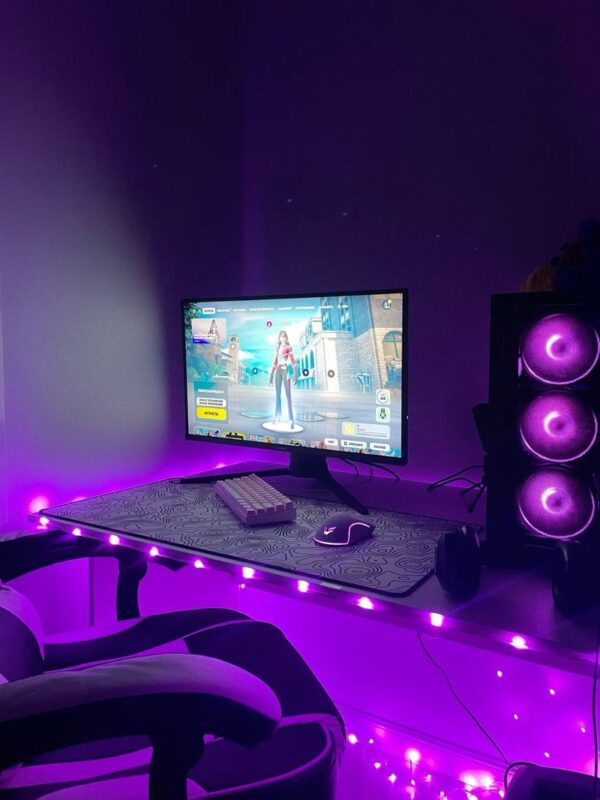
Nov
When the first cloud‑based title hit the market in 2014, most people assumed it would be a niche experiment. Ten years later, the same technology powers millions of hours of gameplay every day, and it’s already redefining how we think about hardware, storage and even game design. The numbers speak for themselves: by 2026, global cloud‑gaming revenue is projected to exceed $15 billion, up from just $1.5 billion in 2018.
1. Hardware‑Free Play: The Core Appeal
Cloud gaming eliminates the need for a high‑end console or PC. A low‑spec laptop, a tablet or even a smart TV can stream a 4K game with 60 fps, provided the internet connection stays above 35 Mbps with latency under 50 ms. In practice, users in urban areas report smooth gameplay on 5G networks, while rural users with 20 Mbps still experience occasional frame drops.
For many, the biggest benefit is portability. A single subscription to a cloud service allows access to a library of 200+ titles on any device, compared to buying a new console for every family member. However, the price point can be a hurdle: monthly plans start at $14.99, which is higher than the cost of a single console but lower than a full PC build.
2. Storage and Updates Made Simple
Traditional game ownership requires downloading large files—often 50 GB for a single title. Cloud platforms sidestep this by keeping games on remote servers. Updates are applied instantly; the next time you launch the game, you’re on the latest version. This eliminates the 3‑hour wait that used to be common after a patch release.
The trade‑off is data usage. Streaming 4K content at 60 fps consumes roughly 4 GB per hour. Users on metered connections may need to monitor their bandwidth or opt for lower resolutions, which can reduce visual fidelity.
3. Developer Flexibility: New Design Paradigms
Because the game runs on a remote server, developers can design for a fixed hardware baseline rather than a fragmented consumer market. This allows more complex physics engines and larger worlds without worrying about older GPUs.
- Procedurally generated maps can be updated server‑side, offering fresh content without a new download.
- AI opponents can be powered by cloud‑based machine learning models, providing adaptive difficulty in real time.
On the downside, the reliance on servers introduces a single point of failure. If a data center goes down, every user experiences a blackout, regardless of their local hardware.
4. The Economic Model: Subscriptions vs. Ownership
Subscription services such as Xbox Cloud Gaming, PlayStation Now and Google Stadia have shifted the industry from one‑time purchases to recurring revenue. A typical plan offers unlimited access to a curated library for $9.99/month. This model appeals to casual gamers who prefer a low upfront cost, but it also raises concerns about long‑term ownership and resale value.
Collectors and enthusiasts miss the tactile experience of owning a disc and the ability to resell or trade it. Moreover, when a subscription ends, the entire library disappears, forcing users to re‑subscribe to access previously owned titles.
5. The Future: Edge Computing and 5G
Edge computing—placing servers closer to users—reduces latency further, potentially below 20 ms. Combined with 5G’s high bandwidth, this could enable real‑time multiplayer experiences that rival local consoles.
Early pilots in Seoul and San Francisco show latency dropping to 15 ms for competitive shooters, a significant improvement over current averages. The challenge lies in scaling this infrastructure globally, especially in regions where 5G rollout is slow.
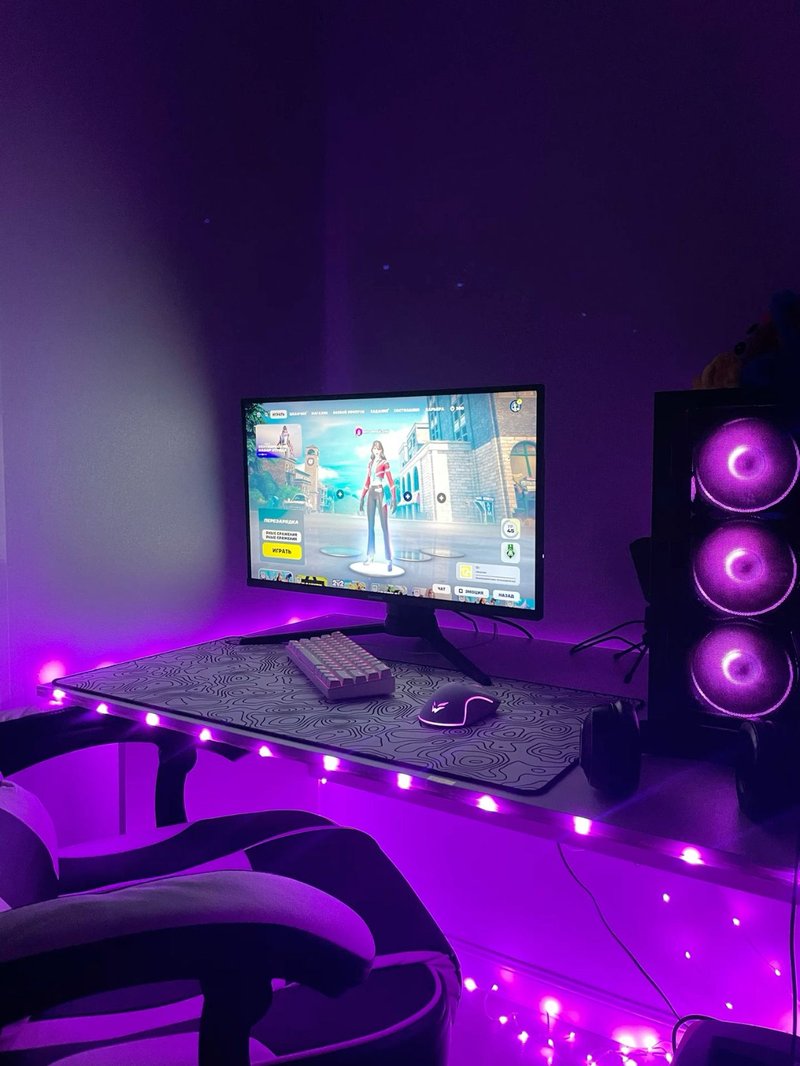
Bridge: From Streaming Games to Streaming Fun
Just as cloud gaming has reshaped how we play, online entertainment platforms have evolved to offer instant access to movies, music and even live events. For those who enjoy immersive digital experiences, a similar model exists in the world of online gambling, where platforms like Fortunica Casino provide instant play without the need for downloads or installations.
Conclusion: A New Play Landscape
Cloud gaming is no longer an experiment; it’s a mainstream way to play. The combination of device flexibility, instant updates, and subscription convenience has attracted a broad audience. Yet, it also introduces new challenges—data consumption, server reliability, and ownership questions—that developers and users must navigate. As edge computing and 5G mature, the line between local and cloud play will blur even further, promising an era where the only thing limiting your gaming experience is your imagination.
Frequently Asked Questions
What is cloud gaming?
Cloud gaming streams games from remote servers to your device, so you don’t need powerful local hardware.
Why has cloud gaming grown so fast?
Its convenience, instant access, and low device costs attract millions of players worldwide.
{“@context”:”https://schema.org”,”@type”:”FAQPage”,”mainEntity”:[{“@type”:”Question”,”name”:”What is cloud gaming?”,”acceptedAnswer”:{“@type”:”Answer”,”text”:”Cloud gaming streams games from remote servers to your device, so you don’t need powerful local hardware.”}},{“@type”:”Question”,”name”:”Why has cloud gaming grown so fast?”,”acceptedAnswer”:{“@type”:”Answer”,”text”:”Its convenience, instant access, and low device costs attract millions of players worldwide.”}}]}
Probamos un catálogo limitado, así que la velocidad de salida importó más que una lista larga de funciones. La nota termina con casino software y ayuda a calcular la carga de trabajo posterior.