


Sin categoría
Is StopWatt a Scam? After personally evaluating this widely discussed electricity-saving gadget, here are my *unfiltered* thoughts.
Independent evaluations frequently reveal slight decreases in overall electricity consumption, often falling within the range of a few percentage points—or even less. This review dissects the mechanics of StopWatt, scrutinizes its performance evidence, and provides practical guidance on its application and assessment in an average American household. No energy-saving gadget can bypass your actual energy consumption patterns.
Report it to the FTC’s official complaint portal to help other shoppers avoid the same risk. The device is marketed using terms like power factor correction and dirty electricity filtering, language that sounds technical but doesn’t hold up well when applied to a typical home. But here’s the issue, these plug-in devices have existed for years under different names, and there’s no solid evidence showing they significantly reduce residential electricity bills. The marketing pushes phrases like “optimize power usage” and “clean dirty electricity,” which sound technical enough to impress people who aren’t electricians. Stopwatt claims to improve your home’s electricity quality, but there is no convincing evidence that it can provide the benefits advertised. Stop Watt is typically described as a plug-in device that attaches to a standard outlet and claims to optimize an electrical circuit by reducing wasted power from devices in standby mode.
We’ve also clarified widespread misunderstandings and debates to distinguish exaggerated claims from factual outcomes. By buying directly from the manufacturer and relying on their 60-day satisfaction guarantee, consumers can reduce risks and simplify dispute resolution. Still, many of these problems stopwatt arise from purchasing through unauthorized dealers or counterfeit products instead of the official PowerWattWise.com site. This fuels skepticism—particularly among tech-savvy buyers who seek greater technical clarity. These assessments note that while voltage correction may extend electronic lifespans and filter harmful electrical noise, it rarely delivers significant utility bill reductions. Such misleading marketing tactics are unfortunately widespread in the energy-saving product industry, reinforcing the need to verify claims before buying.
In many cases, it appears to be a rebranded version of the common “electricity saving box” gadget sold under many different names, often promoted through aggressive social media ads and fake news style pages. In a typical home, the “power factor correction” effect of a small plug-in box is usually tiny, and it does not magically reduce the kWh usage that your bill is based on. This article breaks down what StopWatt is, how the funnel works, what’s typically inside these devices, why the promised savings do not add up, and what to do if you already paid. All product descriptions, features, benefits, and claims referenced herein are based on publicly available sources or information provided by the manufacturer. When purchased from the official website, you’re covered by a 60-day money-back guarantee, which provides low-risk trial assurance. This emphasis aligns with best practices in consumer safety and trustworthy green tech purchasing—a growing concern for eco-conscious buyers.
**Critics’ Feedback on StopWatt**
It is a claim that clashes with how household energy usage is normally measured. When you strip away the marketing and look at what is typically inside these plug-in “energy saving box” devices, the parts are usually simple and cheap. All liability for product performance, safety, or compliance rests solely with the manufacturer and/or point of sale. Readers are encouraged to verify all product claims with the official manufacturer before purchasing and to review terms such as pricing, returns, and warranty directly from the original sales platform. Inclusion of a product, service, or brand within this article does not constitute an endorsement or guarantee by the publisher or its syndication partners.
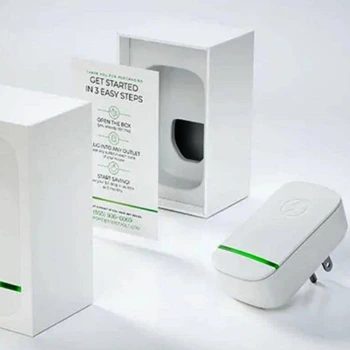
There’s no credible proof that StopWatt achieves the savings advertised online. The same device repeatedly surfaces across budget online retailers under various brand names. Fake urgency tactics—like countdown timers, “low stock” alerts, and sensational sales videos—are classic red flags in deceptive marketing. That’s why many online users suspect StopWatt is just another repackaged version of the same product.
According to its creators, StopWatt targets inefficiencies in home energy distribution, correcting imbalances that silently inflate electricity bills. The device employs what’s called Electricity Stabilizing Technology (E.S.T.), purportedly to smooth voltage, reduce waste, and eliminate harmful electrical interference. StopWatt is a small, plug-in energy optimizer designed to enhance electrical efficiency in homes and small offices. Plug in StopWatt now and begin saving immediately—backed by a 60-day guarantee. While home voltage regulators do exist, they’re usually bulky and engineered for industrial or commercial use. Dirty electricity—from flickering lights to overheated devices—can silently drain resources and your wallet.
Rate the purchase, not health benefits or safety. Any low-quality plug-in electrical device has potential safety risks, especially if it is poorly manufactured. Celebrity bait and fake news style articles are common scam funnel tactics. The term is commonly used to make ordinary people feel like their home has a hidden problem that only the device can fix. A small capacitor may slightly affect power factor in limited situations, but that typically does not translate into lower residential energy usage measured in kWh. The device category itself is widely criticized because the internal components typically do not match the dramatic claims being made about reducing residential electricity bills.
**Independent Testimonials Reveal the Downsides of StopWatt**

By cutting wasted power, StopWatt helps minimize unnecessary energy use, letting devices function more efficiently. StopWatt’s energy-saving mechanism works by refining power distribution in the home, creating a more efficient system. Every StopWatt review confirms this compact, budget-friendly plug-in device offers a straightforward yet effective way to enhance home electrical performance. By refining electricity flow, StopWatt can reduce energy use by up to 50% or more, depending on household energy habits and appliance types. StopWatt is a premium energy-saving solution that ensures steady power delivery by boosting efficiency and slashing consumption across all electrical devices. Whether your goal is cutting waste, protecting appliances, or saving monthly costs, this guide will help determine if StopWatt is worth the investment.
If you believe the article above contains inaccuracies or needs to include relevant information, please contact ScamAdviser.com using this form. This article has been written by a scam fighter volunteer. The FTC’s page on energy-saving device claims and Energy Star’s official site are better starting points if you’re actually trying to cut your electric bill.
Some even directed me to news articles and YouTube videos claiming the product works. Never daisy-chain multiple adapters or power strips if the manufacturer prohibits it, as overloading risks electrical fires. Ensure Stop Watt is U.S.-certified and rated for standard household voltage (120V in the U.S.). Avoid pairing it with high-power appliances or critical systems requiring uninterrupted energy. For optimal results, install Stop Watt near areas with many standby devices—like entertainment centers, home offices, or charging hubs.